 How-to
7 Steps for Clearing Thorny Brush on Acreage
Last Updated: October 30, 2026
Quick Summary
Clearing thorny brush on acreage starts with mapping density and terrain, then matching equipment to the job: a forestry mulcher for dense thickets and saplings, a brush hog for lighter pasture growth. Wear puncture-resistant PPE, clear in sections of a quarter acre or less, and grind crowns below grade to stop regrowth.
- Clearing costs run $500 to $10,000+ per acre depending on how thick the growth is.
- Break the property into blocks of a quarter acre or less and finish one before starting the next.
- Grinding two to four inches below the soil surface destroys the crown and top of the root.
- Walk cleared ground and spot-treat resprouts within 60 days before they harden off.
- Heavy thorny thicket takes 8+ hours per acre and runs $2,500 to $10,000+.
Table of Contents
- Step 1: Assess Your Thorny Brush and Map the Terrain
- Step 2: Pick the Best Equipment for Clearing Heavy Brush
- Step 3: Gear Up with Puncture-Resistant PPE Before You Cut
- Step 4: Clear the Thorny Thicket in Sections, Not All at Once
- Step 5: Manage Root Systems and Prevent Regrowth
- Step 6: Handle Debris Disposal Without Burning Down the Property
- Step 7: Decide Between DIY and Hiring Professional Tree Removal Services
- What Forestry Mulching Cost per Acre Looks Like on Real Acreage
- Frequently Asked Questions
Step 1: Assess Your Thorny Brush and Map the Terrain
Clearing thorny brush on acreage starts with a walk, not a chainsaw.
Density drives everything. According to OwnROPS brush clearing cost data, clearing runs $500 to $10,000+ per acre depending on how thick the growth is.
Walk the property in a grid. Note these:
- Thorny thickets (blackberry, briar, multiflora rose) that tear clothing and skin
- Vine mats climbing trees and fencing
- Immature shrubs and saplings under six inches in diameter
At Palmetto Mulching & Clearing, LLC, we've mulched 478 acres and cleared 139 more. Mark your zones with flagging tape. A rough sketch beats a mental map every time.
Step 2: Pick the Best Equipment for Clearing Heavy Brush
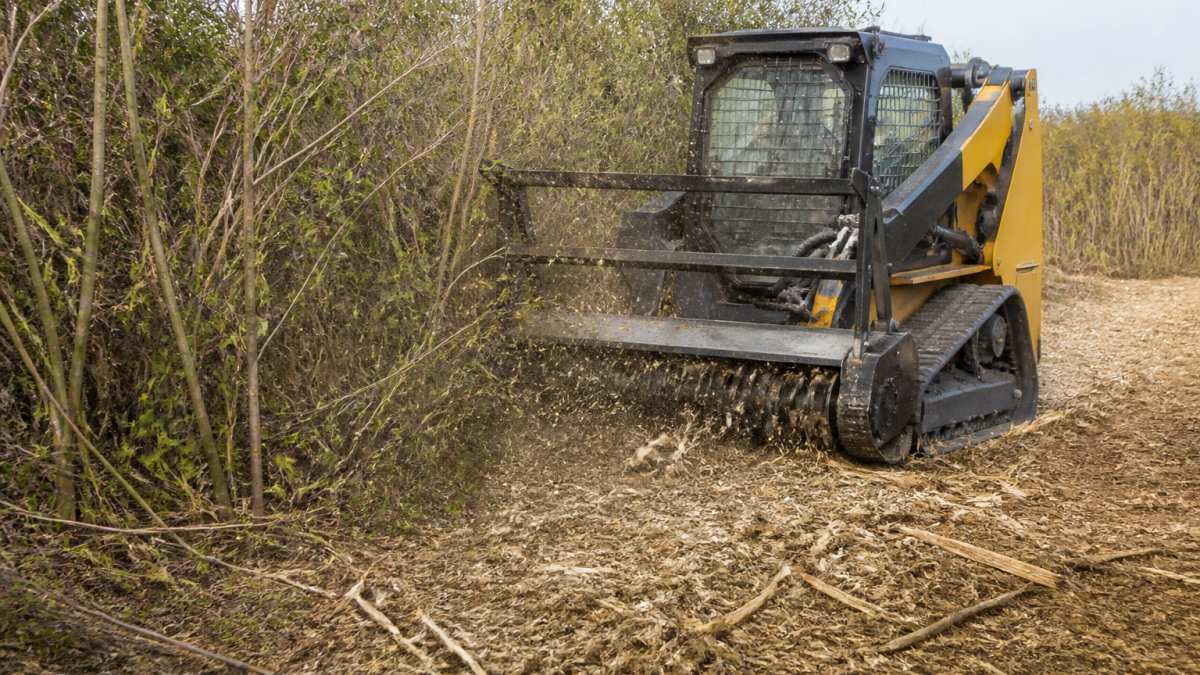
The best equipment for clearing heavy brush depends on density and access. A forestry mulcher handles thick growth fast, while a brush hog suits lighter pasture work.
Match the machine to the job:
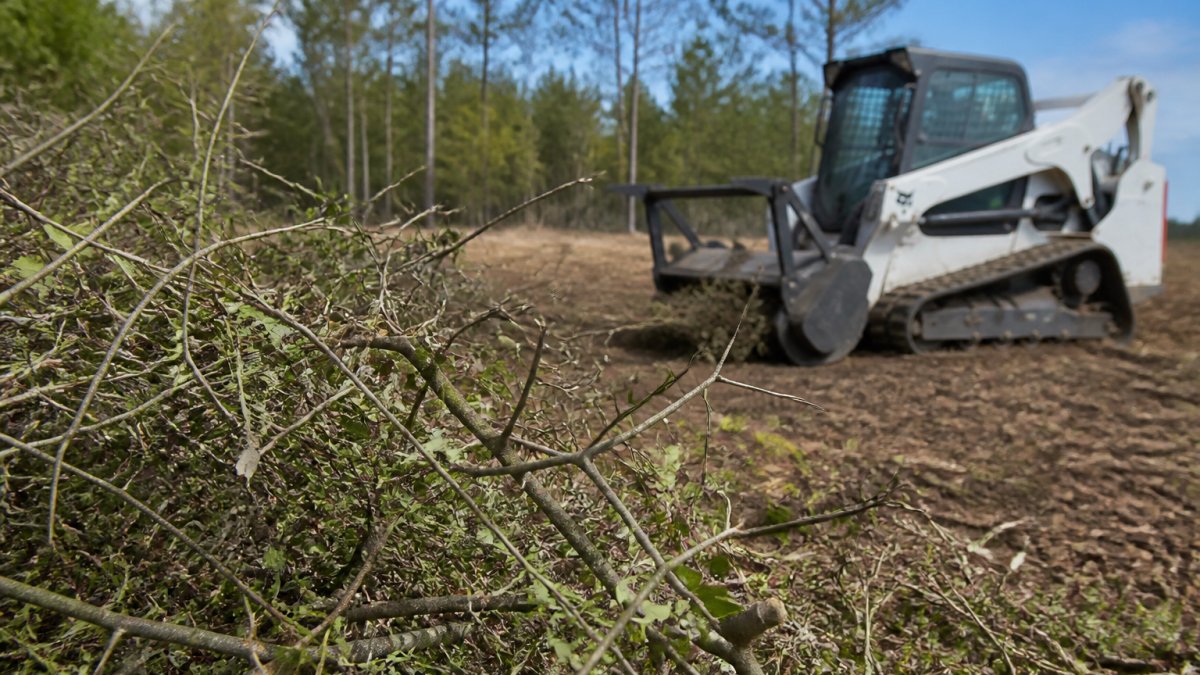
- Forestry mulcher: shreds trees and brush in place, leaving mulch behind
- Brush hog: a tow-behind mower for grass, weeds, and light saplings
- Skid steer loader: carries attachments into tight spots
Forestry Mulcher vs. Brush Hog: Which Fits Your Acreage?
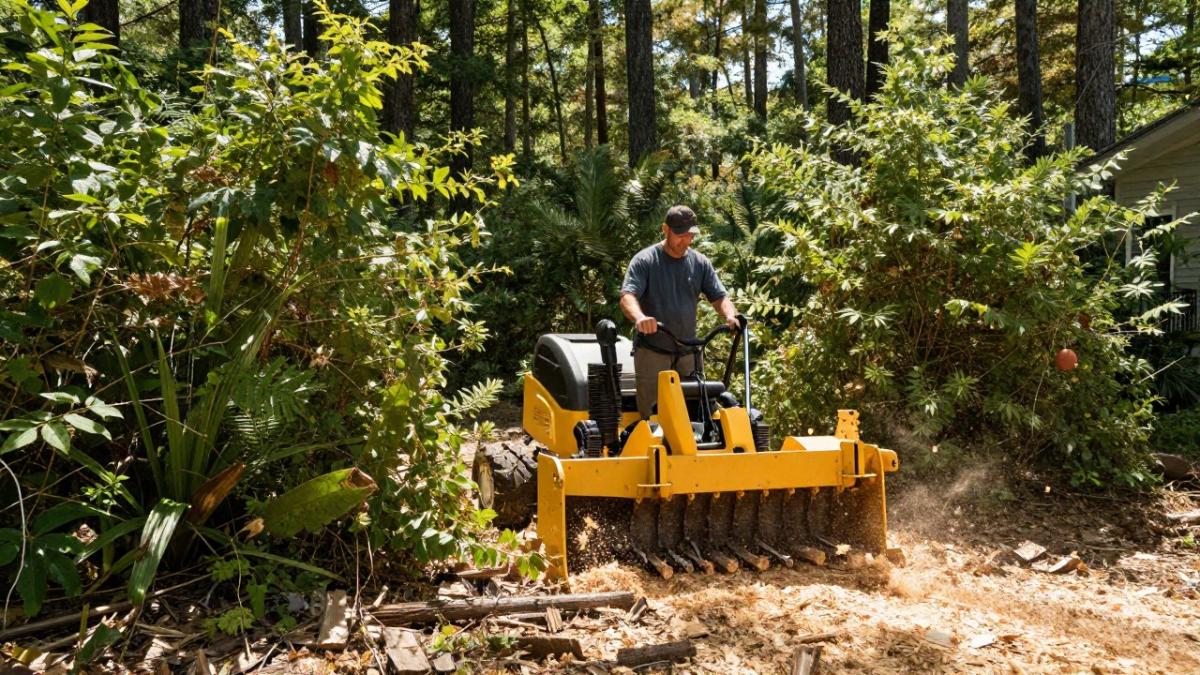
A forestry mulcher is built for dense, thorny growth; its head grinds vegetation into mulch, so there's no brush pile to haul.
Pick the mulcher for overgrown acreage with saplings and vines. Pick the brush hog for open pasture restoration. For mixed ground, a crew running both finishes fastest.
Step 3: Gear Up with Puncture-Resistant PPE Before You Cut
Thorns win against cotton. A blackberry cane or multiflora rose thorn punches straight through a denim jacket and cotton glove, and the resulting scratch is a textbook infection pathway. Puncture-resistant PPE is the difference between a finished job and an urgent care visit, and most brush-clearing articles skip the specifics, so here is the gear guide the other results leave out.
Why Standard Workwear Fails Against Thorny Brush
Thorn penetration is a function of point pressure, not fabric thickness, so a tight, high-denier weave or woven aramid layer blunts the point before it reaches skin.
The PPE Checklist, With the Specs That Matter
- Briar-proof pants or chaps. Chainsaw chaps are rated under ASTM F1897 and stop a chain, but they are not built for thorn puncture. For briar work, look for pants with a woven aramid or high-denier nylon panel across the front of the leg. If you already own chainsaw chaps, wear them, they beat jeans, but add a thorn layer underneath.
- Puncture-resistant gloves. ANSI/ISEA 105 rates cut resistance from A1 to A9. For thorny brush, an A4-to-A6 glove with a leather palm and a gauntlet cuff that covers the wrist is the practical target. Cheap jersey gloves are worse than bare hands because they snag and tear.
- Eye and face protection. Safety glasses must meet ANSI Z87.1. When running a mulching head or brush hog, add a full face shield, the machine throws chips and thorn fragments at high velocity, and Z87.1 glasses alone will not stop a two-inch thorn segment.
Layering for Heat and Thorn Density
In summer, the temptation is to strip down. A better pattern is a light long-sleeve aramid or high-denier shirt under a breathable vest, plus briar pants, you keep the thorn layer without overheating. Carry a small first-aid kit with tweezers and an antiseptic wipe; thorn scratches infect quickly, and cleaning a cut in the field beats a doctor visit later.
A crew that shows up in cotton is a crew that will lose days to scratches and infections.
Step 4: Clear the Thorny Thicket in Sections, Not All at Once
Sectional clearing beats a full-front assault. Break the property into blocks of a quarter acre or less, then finish one before starting the next.
This approach does three things:
- Keeps a clean escape route open at all times
- Lets you judge progress and adjust method
- Stops cut brush from piling up faster than you can handle it
Start at the perimeter and work inward. Push debris toward a central staging spot so disposal stays organized. On steep or wet ground, clear downhill so runoff carries mulch away from your work area.
Step 5: Manage Root Systems and Prevent Regrowth
Regrowth prevention lives or dies on the root system. Cut a briar at the stem and it returns in weeks from the crown and lateral roots; grind the crown and top few inches of root, and it stays gone. The difference between a cleared acre and a re-infested one is almost always what happened below the soil line.
Know What You Are Fighting
Different thorny species regrow from different structures, and the control method follows the biology:
- Blackberry and dewberry regrow from root crowns and creeping lateral roots. Cutting the cane without disturbing the crown guarantees a flush of new canes.
- Multifloria rose regrows from a woody crown and from root fragments; it also spreads by seed, so a single missed plant can repopulate a fence line.
- Greenbrier (smilax) regrows from underground tubers and rhizomes. Pulling the vine often breaks off the tuber, which then resprouts.
Treat the species you have as the deciding variable, not the acreage. A quarter-acre of multiflora rose needs a different plan than a quarter-acre of blackberry.
Time the Cut to the Root Reserves
The missed angle in most brush-clearing guides is timing. Root carbohydrates fuel resprouting, and those reserves swing with the season:
- Late summer to early fall is often the best window for woody thorns. Plants are pulling reserves down to the roots for winter, so a cut or a labeled herbicide application moves with that flow.
- Spring cutting often triggers the strongest resprout because root reserves are high and the plant is pushing growth.
- Late fall and winter cuts are easier on the operator (no leaves, fewer insects, better visibility) but may need a follow-up treatment in the next growing season.
Check the label on any herbicide and follow state and local rules; restricted-use products require an applicator license. If you are not licensed, mechanical control plus timed follow-up is the safer route.
Mechanical Control That Actually Kills the Crown
- Grind below grade. A forestry mulcher that cuts two to four inches below the soil surface destroys the crown and the top of the root, which is the single most effective mechanical pass on briar and multiflora rose.
- Mow, then mow again. Repeated cutting within a single growing season drains root reserves. One cut is a haircut; three cuts in a season is a control program.
- Pull, don't snap. For small patches, a weed wrench or a mattock that lifts the crown intact beats pulling the vine, which leaves the tuber behind.
Reclaim the Ground So Thorns Don't
Bare soil is an invitation. Seed or sprig a fast-establishing cover, a native warm-season grass mix or a cover crop suited to your region, within the first season after clearing. Ground cover shades out thorn seedlings, holds soil, and gives you a reason to mow, which is itself a regrowth control. On acreage, a soil test through your state extension office before seeding is cheap and tells you whether lime or fertilizer is needed.
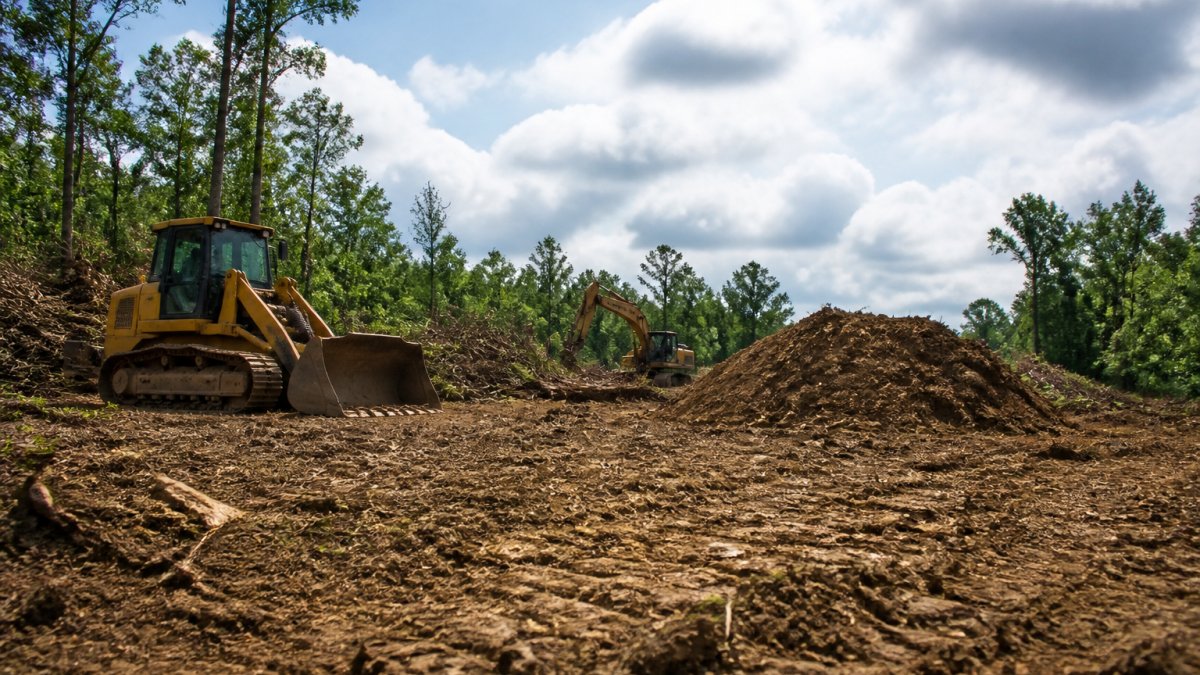
A trained crew with a forestry mulcher can clear several acres in a single day, according to Daniel Dean's forestry mulching guidance. That speed matters because fast clearing limits the window for regrowth, but speed without a follow-up plan just resets the clock.
Step 6: Handle Debris Disposal Without Burning Down the Property
Debris disposal is where DIY projects go wrong. Burning brush piles is legal in many areas but risky in dry seasons and often restricted. Check local burn rules before you strike a match.
Your options:
- Mulch in place: the cheapest route when a mulcher is on site
- Chip or shred: turns limbs into usable mulch or compost
- Haul off: best for yard waste near structures
Grinding vegetation into mulch keeps nutrients on your land, eliminates hauling costs, and cuts fire risk to near zero.
Step 7: Decide Between DIY and Hiring Professional Tree Removal Services
Hiring professional tree removal services makes sense once the job outgrows hand tools and a weekend. DIY works for small patches with light brush. It fails on dense thickets, big trees, and wet ground.
Run this checklist before deciding:
- Is the brush density light, or heavy with saplings and vines?
- Are there trees over eight inches that need felling?
- Is the ground wet, steep, or soft?
Two or more "heavy" answers point to a pro crew. Insurance, equipment, and speed usually cost less than a wrecked machine or an injury.
What Forestry Mulching Cost per Acre Looks Like on Real Acreage
Forestry mulching cost per acre tracks density closely. Light brush with grass and weeds takes 4 to 6 hours per acre to clear, while medium brush with mixed saplings takes 6 to 8 hours per acre, per BrushBoss land clearing FAQ.
| Brush Density | Time per Acre | Typical Cost Range |
|---|---|---|
| Light brush and grass | 4-6 hours | $20-$630 |
| Medium brush, saplings | 6-8 hours | $1,200-$2,500 |
| Heavy thorny thicket | 8+ hours | $2,500-$10,000+ |
Nationwide land clearing averages $1,200 to $6,200 per acre, according to the 2026 Land Clearing Cost Guide. Targeted brush removal runs $657 to $2,309 on average.
Pricing depends on density, access, and debris handling. For pricing and a quote tied to your acreage, visit the Palmetto Mulching & Clearing, LLC website.
Thorny brush doesn't clear itself, and the wrong approach costs you a season of regrowth.
Frequently Asked Questions
How much does it cost to clear an acre of thorny brush?
Forestry mulching cost per acre depends on density, access, terrain, and how much of the root system needs grinding. Request a site walkthrough for a firm quote instead of relying on per-acre averages.
What is the best equipment for clearing heavy brush on large acreage?
A skid steer loader with a forestry mulcher head handles most thorny thickets faster than a brush hog or chainsaw. The mulching head shreds stems and saplings in place, leaving mulch that protects soil. A tow-behind mower works for lighter, flatter ground, and a chainsaw or pruning saw is still needed for trees too large to mulch. For wet spots, tracked machines spread weight better than wheeled loaders and reduce the risk of getting stuck.
How do I keep thorny brush from growing back after clearing?
Regrowth prevention starts with the root system. Forestry mulching shreds above-ground growth but leaves roots alive, so expect sprouts within a season. Follow up with targeted herbicide on cut stumps, mow new shoots before they set seed, and recheck the site every few months. Grubbing out roots costs more upfront but stops resprouting entirely. A maintenance pass once or twice a year keeps overgrown acreage from returning to a thorny thicket.
Should I hire professional tree removal services for thorny brush, or do it myself?
Manual labor on a dense thorny thicket is slow, and thorn punctures, chainsaw kickback, and hidden stumps make it risky. Hiring professional tree removal services or a land management crew brings heavy-duty equipment, insurance, and debris disposal in one pass. A trained crew with a forestry mulcher can clear several acres in a single day. For anything over an acre of heavy brush, the equipment and safety math usually favor a pro.