 How-to
What It Costs to Clear 3 Acres of Brush in 2026
Last Updated: November 1, 2026
Quick Summary
Three acres of light brush on flat ground runs $2,100 to $4,500, based on $700 to $1,500 per acre. To clear 3 acres of denser vegetation, stumps, or steep terrain, expect to pay more, so confirm what your quote includes before comparing bids.
- Published per-acre ranges vary because quotes cover different scopes, from mowing weeds to stump removal and hauling.
- Forestry mulching is generally the lower-cost option for brush-only work because debris is mulched in place with no hauling.
- For three acres of moderate brush, plan on one to three days of machine work plus mobilization and grading.
- Mulching in place keeps disposal costs near zero, while hauling debris off-site adds trucking and tipping fees per load.
- Call 811 before any equipment touches the ground to mark underground utility lines, and confirm property boundaries first.
Table of Contents
- Building a Realistic Budget to Clear 3 Acres of Brush
- Land Clearing Cost Per Acre: What the Numbers Actually Say
- What Pushes Your Three-Acre Estimate Up or Down
- Forestry Mulching Cost Per Acre and When It Beats Other Methods
- The Cheapest Way to Clear Land Without Cutting Corners
- Land Clearing Time Per Acre and How Long Three Acres Takes
- Debris Disposal, Permits, and Utility Checks Before Work Starts
- Request a Site-Specific Quote for Your Three Acres
- Frequently Asked Questions
Building a Realistic Budget to Clear 3 Acres of Brush
The cost to clear 3 acres of brush depends on vegetation density, stumps, terrain, and what happens to the debris. Light brush on flat, accessible ground costs far less than dense, stumped, or steep land, which is why a site visit matters. Palmetto Mulching & Clearing, LLC builds every estimate from the ground up, starting with vegetation density, terrain, access, and debris handling.
Below, we'll show you how to assemble a realistic budget and which line items most homeowners forget.
Land Clearing Cost Per Acre: What the Numbers Actually Say
Land clearing cost per acre varies widely because "clearing" means different things to different contractors. MulchDeck's 2026 land clearing cost guide reports $700 to $7,500 per acre overall, with light brush on flat ground at $700 to $1,500 per acre.
Other guides paint a broader picture. OwnRops' 2026 land clearing price guide puts land clearing at $1,500 to $6,000 or more per acre, while Skidsteers.com's brush clearing pricing guide reports light brush removal at $20 to $630 per acre and heavily forested land at $3,400 or more per acre.
Why Published Ranges Disagree So Much
The gap isn't error. It's scope. A $20-per-acre figure might describe mowing low weeds with a brush cutter. A $6,000-per-acre figure might include stump removal, root raking, hauling, and grading.
That's why we tell every property owner the same thing: a per-acre price means nothing until you know what's included. Ask whether the quote covers debris disposal, stump grinding, and final grading.
What Pushes Your Three-Acre Estimate Up or Down
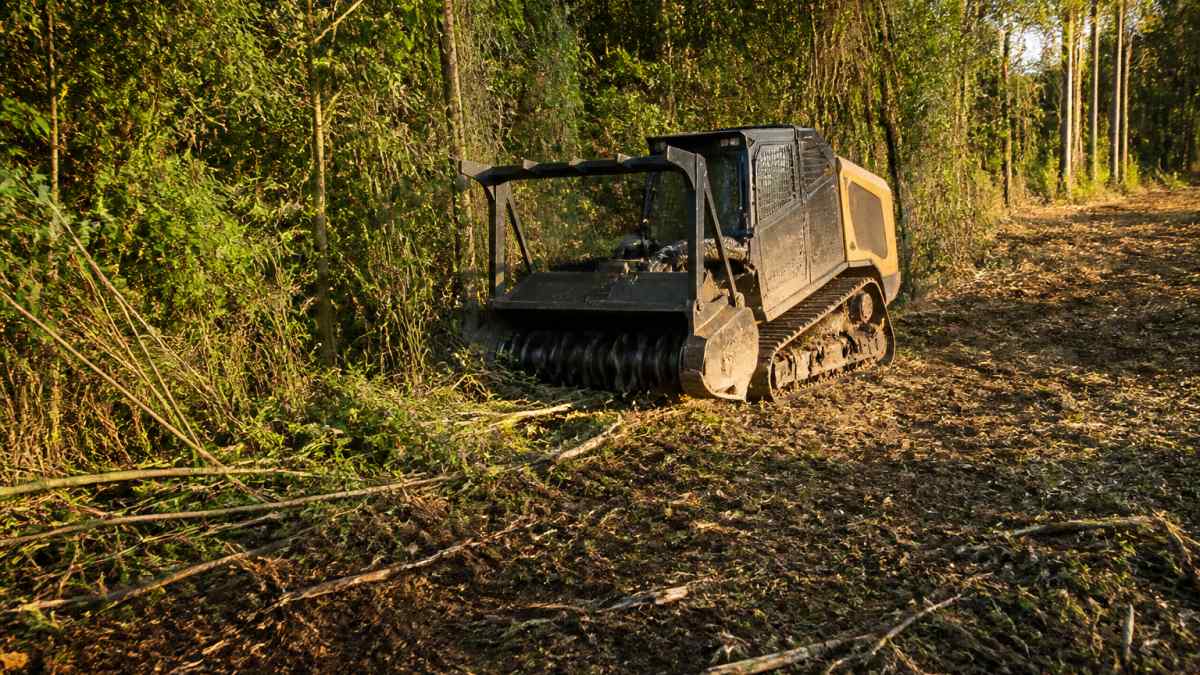
Four variables drive most of the price swing on a three-acre job: vegetation density, terrain, site access, and whether trees and stumps are in scope. Each one compounds the others.
Vegetation Density, Terrain, and Site Access
Dense vegetation slows equipment and requires more passes. Tall brush with thick stems takes longer per acre than scattered saplings. Steep slopes limit which machines can work safely, and wet ground can stop a heavy mulcher entirely.
Site accessibility matters just as much. A lot with a wide gate and a gravel drive lets equipment roll in. A lot boxed in by fences, trees, or a narrow easement forces slower workarounds.
Brush Only Versus Trees, Stumps, and Roots
Here's the distinction most quotes blur. Brush-only clearing removes vegetation above ground. Clearing with trees, stumps, and roots means excavation, stump removal, root raking, and often grading afterward.
A common mistake is comparing a brush-only bid against a full-clearing bid and assuming one contractor is overcharging. They're pricing different scopes. If you plan to build, you likely need stumps and roots gone, not just brush knocked down.
Forestry Mulching Cost Per Acre and When It Beats Other Methods
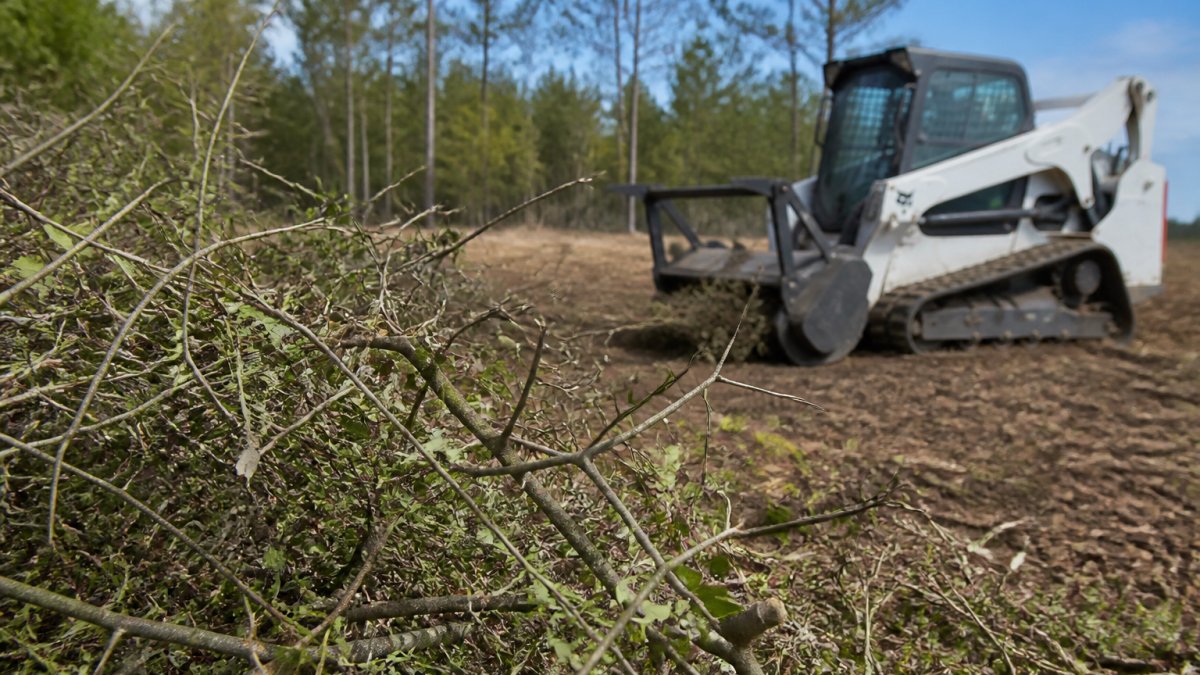
Forestry mulching is generally a lower-cost option on brush-only scopes because one machine cuts, grinds, and spreads vegetation in a single pass, with no hauling required.
The method suits cases where ground needs clearing without heavy soil disturbance. A bulldozer or excavator makes sense when you need stumps and roots removed or the site graded for construction. Those machines cost more per day and often require debris hauling on top.
| Method | Best For | Debris Handling | Relative Cost |
|---|---|---|---|
| Forestry mulching | Brush, saplings, light trees | Mulched in place | Lower |
| Bulldozer | Stumps, roots, grading | Piled or hauled | Higher |
| Excavator | Root removal, pond work | Hauled off-site | Higher |
| Brush cutter | Grass, light weeds | Left in place | Lowest |
The Cheapest Way to Clear Land Without Cutting Corners
Forestry mulching on a brush-only scope can avoid hauling and disposal costs, but the DIY-versus-hire decision depends on your specific site and budget.
What DIY Actually Costs on Three Acres
A realistic DIY budget for three acres of brush includes:
- Equipment rental: a forestry mulcher or skid-steer with a brush cutter rents by the day or week; weekly rates are lower per day but require a deposit and often a damage waiver.
- Transport: rental yards charge delivery and pickup by the mile, and a heavy mulcher may require a trailer and a truck rated to tow it.
- Fuel: mulchers and skid-steers burn fuel steadily under load; three acres of dense brush can consume a meaningful fuel budget on its own.
- Insurance: rental damage waivers cover the machine, not your property, your neighbor's fence, or injury to a helper.
- Disposal: if you can't mulch in place, you're paying dump fees and trucking on top.
- Labor: three acres is more than a weekend. Count the days, the helpers, and the lost time.
- Learning curve: an inexperienced operator works slower, makes more passes, and produces a rougher result.
Add those line items and the DIY total often lands close to a professional quote, before counting the risk.
When DIY Is Impractical or Unsafe
Some jobs shouldn't be DIY regardless of budget:
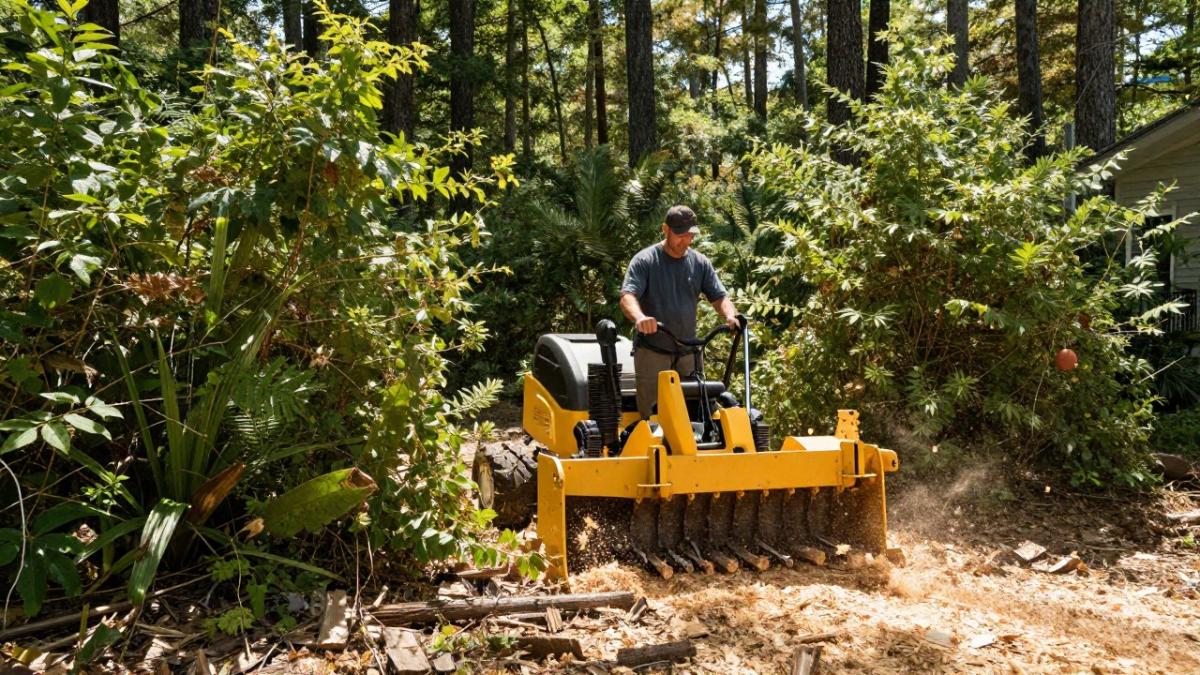
- Dense brush with thick stems: a mulcher can throw debris, and kickback near people or structures is dangerous.
- Steep slopes: rollover risk rises sharply, and most rental machines aren't rated for the grade.
- Trees and stumps in scope: stump removal and root raking require excavation skill and heavier equipment than most homeowners rent.
- Wet ground: a heavy machine can bog down and damage soil structure, turning a clearing job into a repair job.
- Proximity to utilities, structures, or property lines: a mistake here is expensive and sometimes uninsurable.
- Permit or wetland constraints: a pro knows what triggers a permit; a DIYer often finds out after the fact.
When DIY Makes Sense
DIY can pencil out for light, scattered brush on flat, dry, accessible ground with no trees or stumps in scope, no permit triggers, and a homeowner who already owns or can borrow the tow vehicle and has equipment experience.
For everything else, get a contractor quote before you commit. A written quote gives you a number to compare against your DIY budget, and often the gap is smaller than expected once transport, fuel, insurance, and disposal are counted.
Land Clearing Time Per Acre and How Long Three Acres Takes
Land clearing time per acre depends on density and method. Light brush with a mulcher might take a few hours per acre. Dense vegetation, stumps, and difficult access can stretch a single acre across a full day or more.
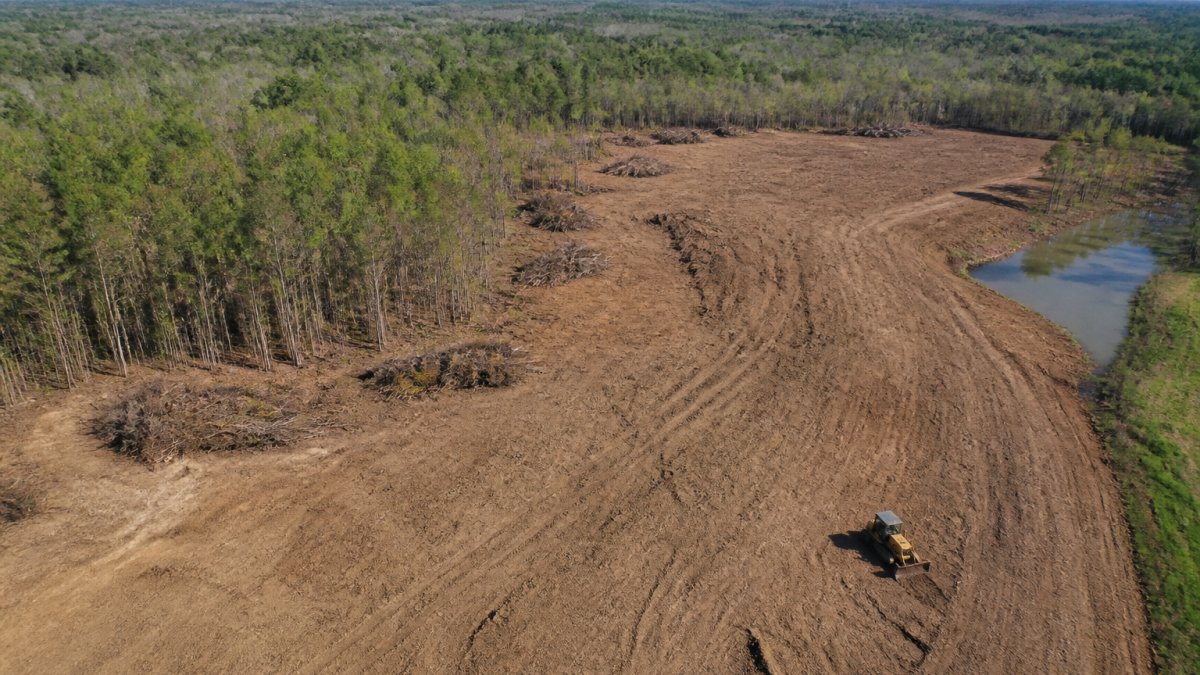
For three acres of moderate brush, plan on one to three days of machine work, plus mobilization and any grading. Ask your contractor for a job duration estimate in writing. A firm timeline protects your build schedule.
Debris Disposal, Permits, and Utility Checks Before Work Starts
Disposal is where three-acre brush budgets quietly blow up, because the method you choose changes both the price and the timeline. There are four common paths, and each carries different costs and constraints.
| Disposal Method | How It Works | Cost Impact | Best When |
|---|---|---|---|
| Mulch in place | Machine grinds brush and spreads it on site | Lowest, no hauling, no dump fees | Brush-only scope, no construction planned |
| Haul off-site | Loader and trucks carry debris to a landfill or yard-waste facility | Highest, trucking, fuel, tipping fees per load | Site must be clean for build or sale |
| Burn | Piled and burned under permit | Moderate, labor to pile, permit cost, liability | Rural lots where burning is allowed |
| Chip and stockpile | Chipped into piles for later use or removal | Moderate, one extra handling step | Homeowner wants chips for landscaping |
A common pattern on three-acre jobs: mulching in place keeps disposal near zero, while hauling can add a meaningful per-load charge on top of the clearing quote.
Permits and Environmental Restrictions
Clearing near wetlands, streams, floodplains, or protected habitat can require a permit, and cutting without one can trigger fines or stop-work orders. Many states and localities also regulate tree removal by trunk diameter or species, and some require a sediment and erosion control plan before ground is disturbed. Before work starts, confirm:
- Whether your parcel falls under a wetland, stream buffer, or floodplain designation
- Whether the county or city requires a land-disturbance or tree-removal permit
- Whether a sediment and erosion control plan must be filed
- Any homeowner association or deed restrictions on clearing
- Seasonal burn bans and any burn-permit requirement
Utility Checks and Property Boundaries
Call 811 before any equipment touches the ground. The service is free, and it marks underground electric, gas, water, sewer, and communications lines so a mulcher or excavator doesn't hit one.
Also confirm property lines before clearing. Brush work near an unmarked boundary can spill onto a neighbor's land, and resolving a boundary dispute costs far more than a survey.
Pre-Work Checklist
Before signing a contract or starting equipment, run through this list:
- Confirm scope in writing: brush only, or trees, stumps, and roots included?
- Confirm disposal method and who pays dump or tipping fees.
- Verify permits: land disturbance, tree removal, wetland buffer, erosion control.
- Call 811 and wait for marks before mobilization.
- Confirm property boundaries and any HOA restrictions.
- Check burn-ban status and permit requirements if burning is planned.
- Ask for the contractor's insurance certificate and license status.
- Get job duration and mobilization charges in writing.
A quote that addresses all eight items is comparable to another quote. A quote that skips half of them isn't, and the missing items are where the final bill grows.
Request a Site-Specific Quote for Your Three Acres
Published ranges get you in the ballpark, but only a site visit produces a real number.
At Palmetto Mulching & Clearing, LLC, we walk your property, define the scope in writing, and quote the job as a veteran-owned, SBA-certified business serving homeowners and developers across the Southeast.
Get started with Palmetto Mulching & Clearing, LLC and turn three overgrown acres into buildable ground with a quote you can budget against.
Frequently Asked Questions
How much does it cost to clear 3 acres of brush?
For three acres, the total depends on whether you are clearing brush only or removing trees, stumps, and roots. A site visit is the only way to get a firm number, so ask for a written quote that states the scope.
Is forestry mulching cheaper than traditional land clearing?
Forestry mulching can reduce hauling because one machine cuts and grinds vegetation in a single pass, leaving mulch on site. Heavy wooded land with large trees and buried stumps may still need an excavator or bulldozer. Ask your contractor which method fits your vegetation density.
Do I need a permit to clear land on my property?
Permit rules vary by county and state, and clearing near wetlands, streams, or protected areas usually triggers extra review. Before work starts, check with your local planning office and confirm utility lines are marked. A professional clearing contractor should ask about permits and utility checks as part of the quote, not after the equipment arrives.
How long does it take to clear 3 acres of brush?
Land clearing time per acre depends on vegetation density, terrain, and the method used. Light brush on flat, accessible ground can move quickly, while dense vines, wet spots, and steep slopes slow the work. The schedule for three acres depends on vegetation density, terrain, and disposal choices, so ask your contractor for a timeline. Ask your contractor for a timeline in writing.